
Browse glue-on horseshoes from brands including EasyShoe and Glushu. The range includes front and hind models in different sizes and materials. Check the size guide and the recommended adhesive for the model you choose.
-

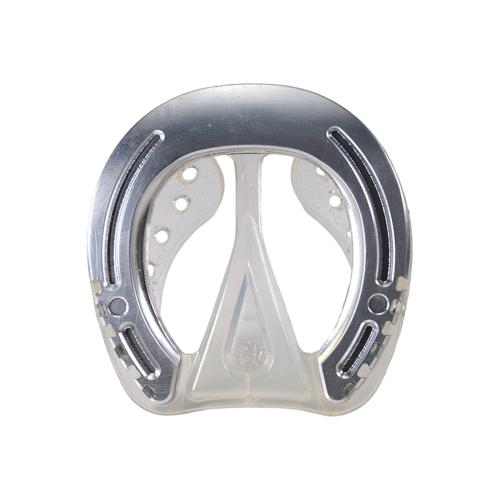
EasyShoe Roller Glue-On Shoe
Aluminium and urethane glue-on shoe with a rolling profile to ease breakover. Available in sizes 3–11.
8600233
728,00 SEK / Par- Stock status
- In stock
-
EasyShoe Speed Front Glue-On Shoe
Flexible front glue-on shoe with frog support and integrated cuffs for performance and therapeutic use. Available in sizes 114–146.
6000080
688,00 SEK / Par- Stock status
- In stock
-
EasyShoe Mushroom Cuff
Reusable accessory for EasyShoe One Glue that allows the shoe to be applied with super glue. Sold in pairs.
6000170
196,00 SEK / ParNew!- Stock status
- In stock
-
EasyShoe One Glue
Glue-on shoe for front and hind hooves, with integrated frog support. Available in sizes 114–138.
6000140
728,00 SEK / ParNew!- Stock status
- In stock
-
EasyShoe Speed Hind Glue-On Shoe
Flexible hind glue-on shoe for performance and therapeutic use, with adjustable heel flexibility. Available in sizes 106–134.
6000090
688,00 SEK / Par- Stock status
- In stock
-
EasyShoe Triple D
Glue-on shoe with a 3° wedge and Triple Density Platform™ for support and cushioning. Available in sizes 110–146.
6000120
996,00 SEK / ParNew!- Stock status
- In stock
-
EasyShoe Ultra Triple D
Glue-on shoe with three material densities for cushioning, support and grip. Flat base without a wedge. Available in sizes 110–154.
6000150
996,00 SEK / ParNew!- Stock status
- In stock
-
EasyShoe Speed Metal Trac Front Glue-On Shoe
Hybrid front shoe with aluminium inserts, urethane outer and four stud holes. Can be glued or nailed. Available in sizes 114–146 mm.
6000100
728,00 SEK / Par- Stock status
- In stock
-
EasyShoe Speed Metal Trac Hind Glue-On Shoe
Hybrid hind shoe with aluminium inserts, urethane outer and four stud holes. Can be glued or nailed. Available in sizes 106–134 mm.
6000110
728,00 SEK / Par- Stock status
- In stock
-
Glushu Front Mini
Glushu Front Mini is a rubber-covered aluminium glue-on shoe for ponies, with shock absorption for laminitis and damaged hooves. Sizes 75/85/95.
F6800021
364,00 SEK / Par- Stock status
- In stock
-
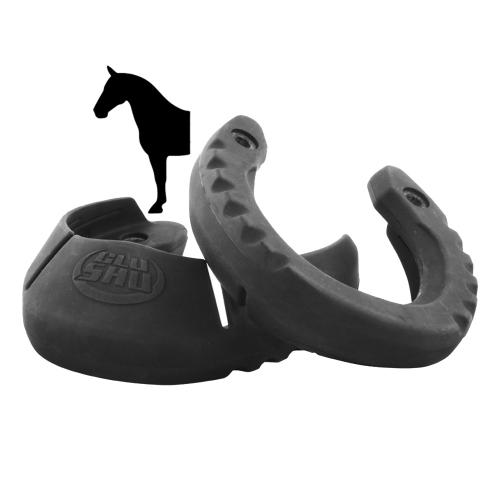
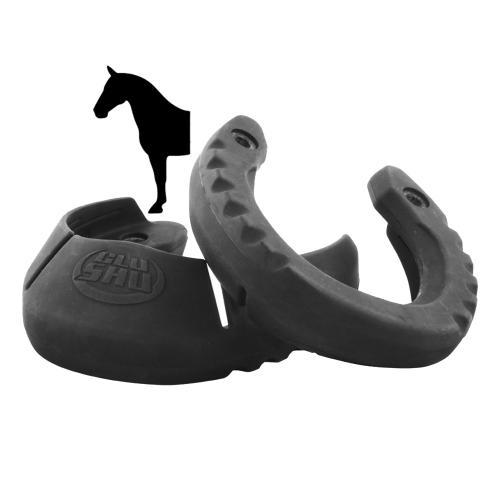
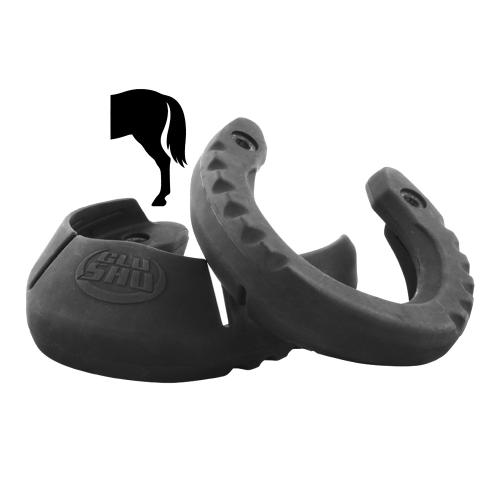
Glushu Front
Glushu Front is a rubber-covered aluminium glue-on shoe for laminitis and sensitive hooves. Shock absorbing. Sizes 5x0–4.
F6800000
496,00 SEK / Par- Stock status
- In stock
-
Glushu Draft Front
Glushu Draft Front is a heavy-duty rubber-covered aluminium glue-on shoe for large hooves. Shock absorbing. Sizes 7–8.
F6800077
824,00 SEK / Par- Stock status
- In stock
-
Glushu Hind
Glushu Hind is a rubber-covered aluminium glue-on shoe for laminitis and damaged hooves. Shock absorbing. Sizes 5x0–4.
6800016
496,00 SEK / Par- Stock status
- 1 Par in stock
-
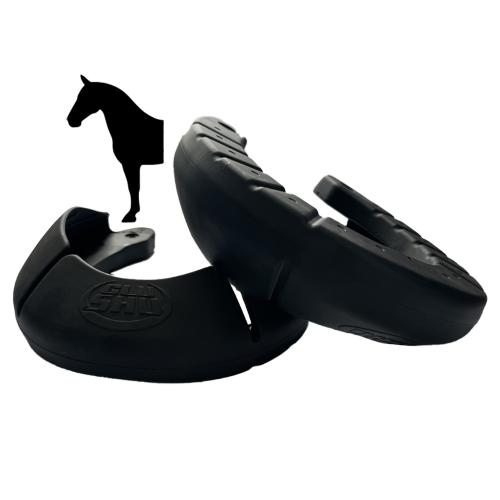
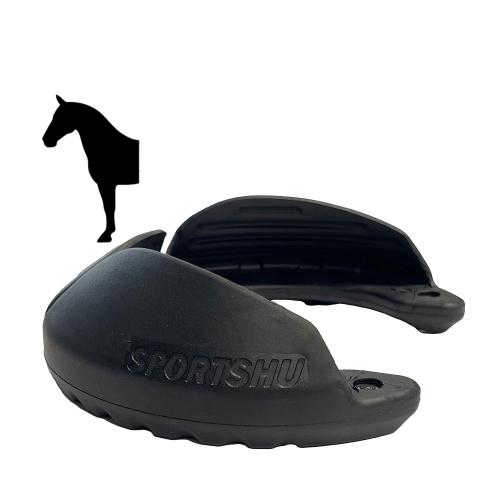
Glushu Sport Front
Glushu Sport Front is a light rubber-covered aluminium glue-on shoe with grip and a low profile. 13 mm thick. Sizes 5–7.
F6800065
496,00 SEK / Par- Stock status
- In stock
-
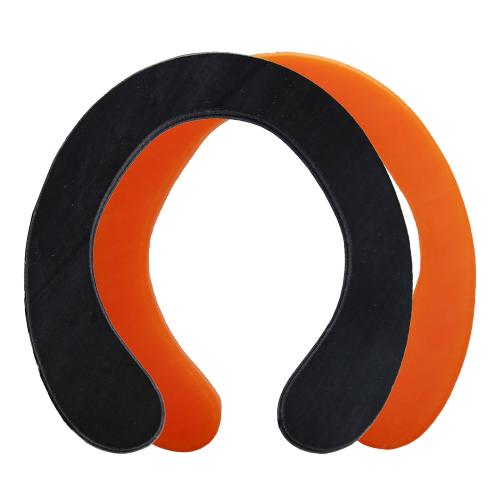
Trotter Flat Plastic Front Shoe with Toe Clip
Wear-resistant plastic front shoe with an outside-edge toe clip. Can be nailed or glued on. Sizes 2x0–0.
5585400
48,00 SEK / pc.62,00 SEK / pc.Save 23 %- Stock status
- 5 pc. in stock
-
EasyCare Stud Insert
Threaded 3/8-inch stud insert for EasyShoe glue-on shoes without a metal core. Allows studs to be fitted.
6000047
26,00 SEK / pc.New!- Stock status
- In stock
-
EasyCare Stud Insert Installation Kit
Fit stud inserts in EasyShoe glue-on shoes with EasyCare's installation kit. Includes a countersink bit with depth stop and fitting tools.
6000045
436,00 SEK / pc.New!- Stock status
- In stock
-
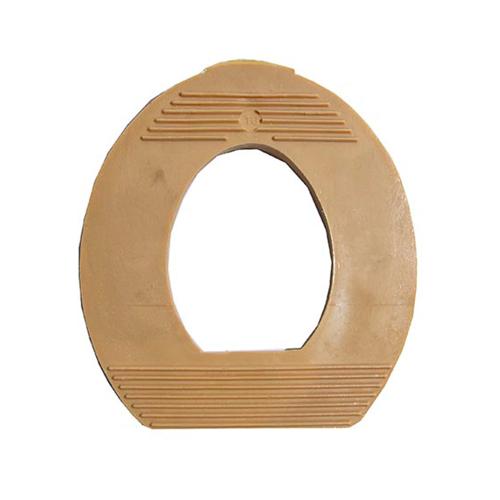
Top Gum
Wear-resistant polyurethane barefoot shoe, glued to the hoof for temporary protection or a race.
559650
124,00 SEK / pc.- Stock status
- In stock




Glue-On Shoes – An Alternative to Traditional Horseshoes
Glue-on shoes are an alternative to traditional horseshoes , attached with adhesive instead of horseshoe nails. They are used when nailing a shoe onto the hoof is not possible or appropriate.
Our range includes models for hoof care and rehabilitation, particularly when the hoof is sensitive or needs relief. Glue-on shoes often complement conventional shoeing rather than replace it in every situation.
What Are Glue-On Shoes and When Are They Used?
A glue-on shoe is bonded directly to the hoof using a purpose-made adhesive. With no nails involved, the hoof wall is affected differently from traditional shoeing.
Glue-on shoes are mainly used:
- For hoof injuries or cracks where nails are unsuitable
- For sensitive or brittle hooves
- During rehabilitation or recovery
- As a temporary solution during certain periods
The choice between a glue-on shoe and a traditional horseshoe always depends on hoof condition and how the horse is used.
Benefits of Glue-On Shoes
- No nailing: The shoe is attached without penetrating the hoof wall
- Alternative solution: Suitable where conventional shoeing is not an option
- Flexibility: Available in different models and materials
Correct application and the right adhesive for the model are essential for a secure result.
Choosing the Right Glue-On Shoe
Measure hoof width and length, just as you would for conventional horseshoes. Compare these measurements with the product’s size chart.
Hoof preparation is essential for reliable adhesion. Appropriate farrier tools are often needed for successful application.
If you are unsure whether glue-on shoes are suitable, read our FAQ or consult a farrier.
Order Glue-On Shoes Online
Find models and sizes for different applications. Explore the range and choose a solution for your horse’s needs and the situation you are working with.
Frequently Asked Questions About Glue-On Shoes
More questions about glue-on shoes, hoof care or shoeing? See our full FAQ here.