
Leather pads, wedge pads, snow pads and flap pads – these names describe different things. This guide explains materials, shape and purpose to help you understand your farrier’s recommendation and find the right model.
By Team Alutorp · Published 19 November 2026
What is a hoof pad?
This guide mainly covers pads used with horseshoes. They can cover all or part of the underside of the hoof. Inserts for hoof boots are a different type of product and need to fit the particular boot model.
It helps to distinguish between three things:
- Material: for example, leather, plastic, rubber or a combination.
- Shape: for example, full, open or wedge-shaped.
- Purpose: for example, protection from the ground, frog support or helping to prevent snow from packing under the hoof.
A leather pad can also be a wedge pad. The same product may therefore belong to several categories.
Full or open pads
A full pad covers the area within the shoe and can protect the underside of the hoof from stones and uneven ground. An open pad leaves part of the underside exposed. The shape and size of the opening vary between models.
Two pads made from the same material can therefore cover different parts of the hoof. Look at the design and the intended use of the particular model.

Material affects how a pad behaves
Both leather and certain synthetic materials are used in shock-absorbing pads. The material name alone does not tell you how a pad will work. Hardness, thickness and construction also matter.
Leather
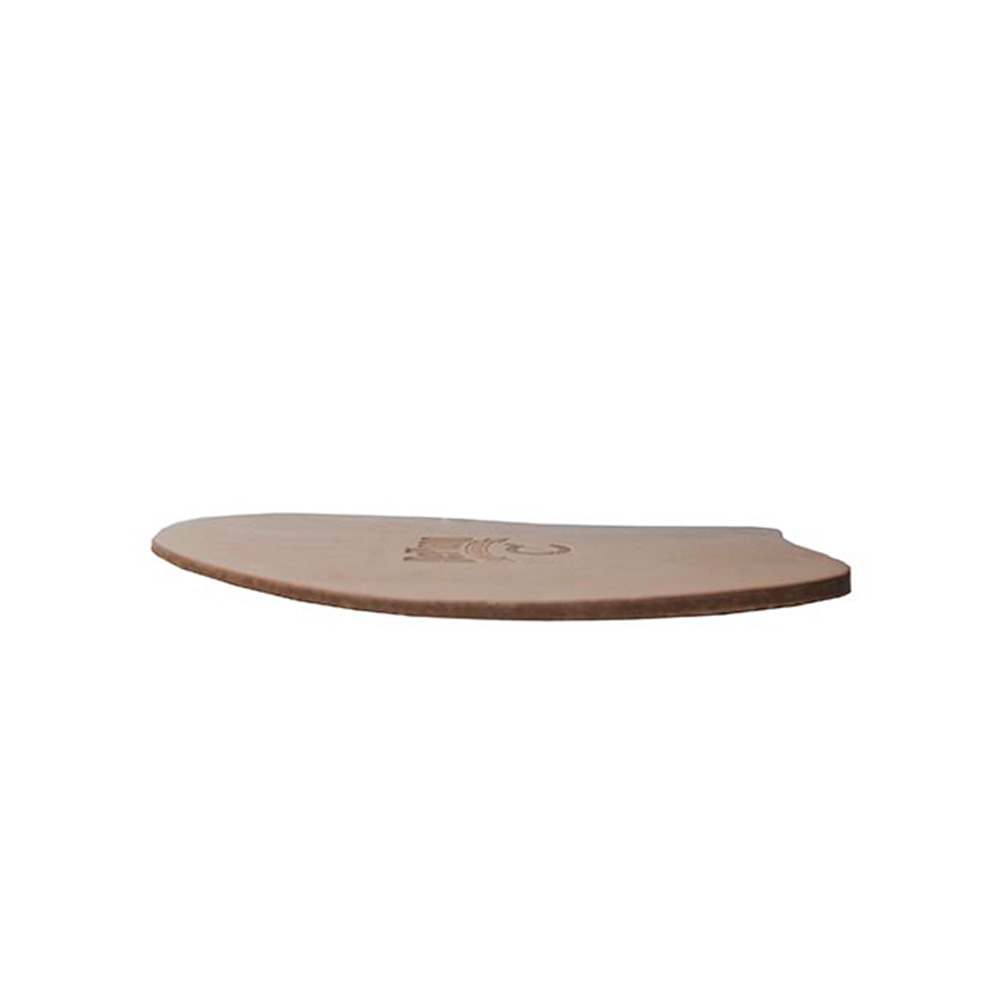
Leather is used for protection and shock absorption, among other purposes. Mustad also describes how the rough surface of its leather pads helps packing material adhere. DePlano uses vegetable-tanned leather and highlights the material’s permeability.
This does not mean that a leather pad automatically keeps the hoof dry. The horse’s environment, the pad’s design and any packing material affect conditions beneath it.
Polyurethane and other plastics
Plastic pads come in many designs and hardnesses. Diamond Hybrid is one example that combines two hardnesses of polyurethane: one section is intended for shock absorption and the other for distributing load. Other plastic pads have different designs and properties.
Rubber and other elastic materials
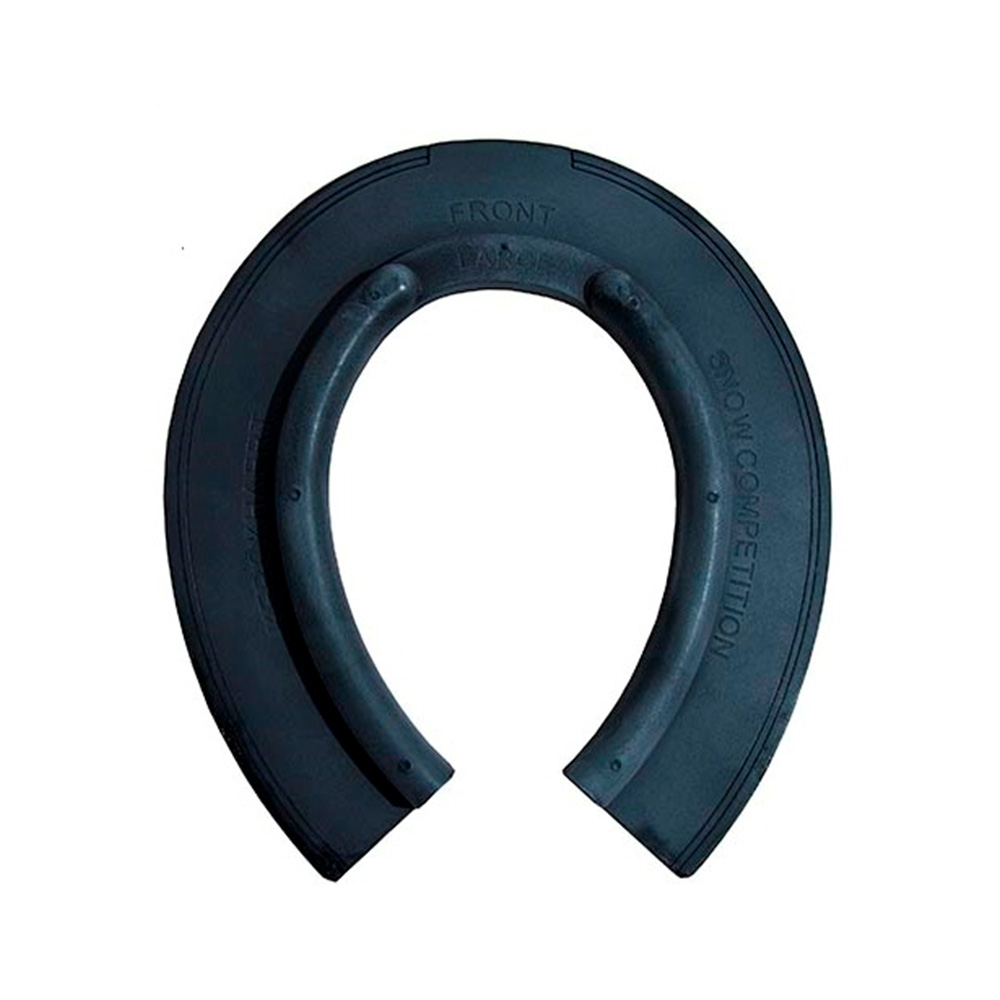
Elastic materials serve different purposes. In Kerckhaert’s rubber snow pad, the inner rim compresses and expands to help release snow. In other pads, elastic materials are used for cushioning. Check the intended function of the particular model you are comparing.
Combined materials
DePlano’s Fusion range combines leather and synthetic materials. It includes flat and wedge-shaped models, as well as designs with frog support. The combination of materials alone does not tell you the pad’s shape or purpose.
Browse our leather pads and plastic and rubber pads.
How does a wedge pad differ from a flat pad?
A wedge pad has different thicknesses at the front and back. This describes its shape, not the material it is made from. The wedge design needs to be part of your farrier’s assessment of the complete shoeing arrangement. Choose the model and wedge recommended for your horse.
Flap pads and snow pads serve different purposes
Flap pads – check compatibility with the shoe
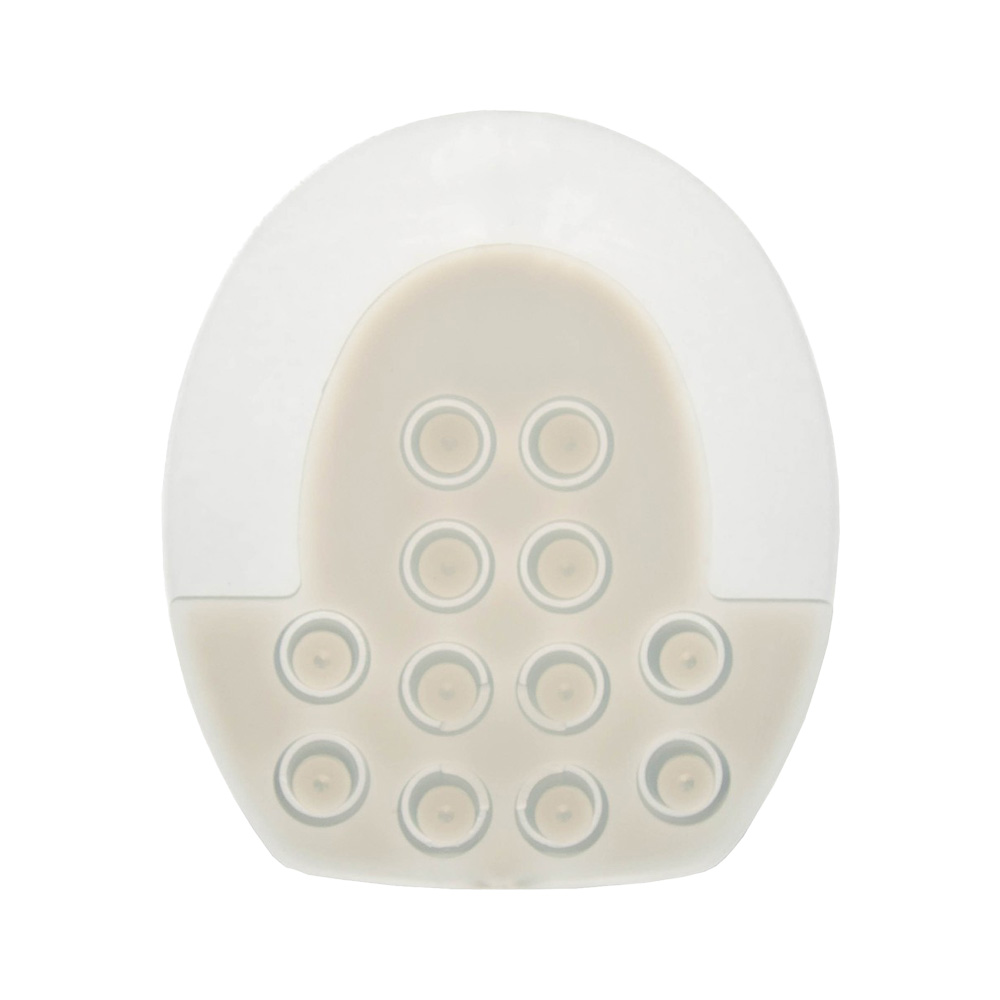
Flap pads are a particular type where the pad model and the shoeing arrangement need to work together. For example, Favaron S01 is a soft polyurethane pad that the manufacturer specifies for use with its Spyder F06 or aluminium shoeing. Follow the instructions for the particular product when combining a pad and shoe.
Snow pads – helping to prevent snow build-up
Snow pads are designed to help prevent snow from packing under the hoof. Some models have an air-filled rim that compresses and expands to push snow out. This is a different function from the grip that studs provide on the ground.
Read more about winter shoeing in Horseshoe Studs and Snow Pads.
Pads and hoof packing are different things
A pad is a shaped component of the shoeing arrangement. Hoof packing is material used to fill a space or provide support, sometimes together with a pad. The same packing material or hardness will not suit every combination. Ask your farrier to specify which products should be used together.
Read more about hand-mixed hoof impression material and pour-in pads or the different types of Vettec products.
Before you order
Ask your farrier for the product name or item number. Then check:
- the correct model and material
- length and width in the product’s size chart
- thickness and any wedge
- front or hind version, where the product offers this choice
- whether the price and pack quantity are per piece or per pair
- whether a particular packing material is needed with the pad.
Use the measurements on the relevant product page and the recommended model. The size number alone does not describe all these features.
Care depends on the design
A pad does not replace daily hoof care. Ask your farrier to show you what you can clean and check with your horse’s particular shoeing arrangement. Moisture and dirt trapped beneath a pad can contribute to problems. A full pad is therefore no guarantee against thrush or hoof abscesses.
Has your farrier recommended a model? Our hoof pad range includes product measurements, materials and available options.
Sources and further reading
Sources checked on 19 November 2026. External links open in a new tab.