

Getting Your Horse Ready for Spring and Summer
Prepare your horse for spring and summer with practical advice on hoof care, the transition to grazing, insect protection and safe paddocks.
Preparing your horse for the warmer months
As winter gives way to warmer weather, conditions can change quickly. The ground becomes drier and firmer, grass starts growing and insects become more active. A little preparation helps you manage this transition, whether you ride occasionally or train regularly.
Hoof care as the seasons change
During winter, hooves are often exposed to mud, snow and persistent moisture. As the ground dries in spring and summer, hooves can become harder, drier and more brittle.
Changes in conditions can contribute to:
- Cracks in the hoof wall
- Brittle or chipped hooves
- Increased wear on hard ground
- Reduced flexibility and cushioning
Pay particular attention to horses that are ridden regularly on gravel tracks or firm arenas. Your farrier can help you assess how the changing conditions affect your horse’s feet.
Caring for dry or cracked hooves
A consistent hoof-care routine is useful during dry periods:
- Regular trimming and shoeing
Hooves often grow faster in summer, while hard, dry ground can increase wear. Adjust the intervals to suit your horse’s hoof growth and wear. - Maintaining moisture balance
Dry conditions can leave hooves brittle. Hoof grease and hoof oil can help retain moisture as part of a suitable care routine. - Supporting hoof condition
Products such as hoof balm can be used to care for dry hooves. Choose products to suit the condition of the feet. - Daily checks
Pick out the hooves and check for cracks, trapped stones and damage. - Consider the environment
Moving between very dry paddocks and damp bedding exposes hooves to repeated changes in moisture.
Our range includes hoof grease and oil, balms and creams for dry hooves, hoof-strengthening products, and tar and disinfectant products for frog care. Select products according to your horse’s needs and follow their instructions.
If your horse’s shoeing needs change with the season, we also offer horseshoes for different uses and ground conditions.

Hoof Grease
For dry hooves and helping to retain moisture.
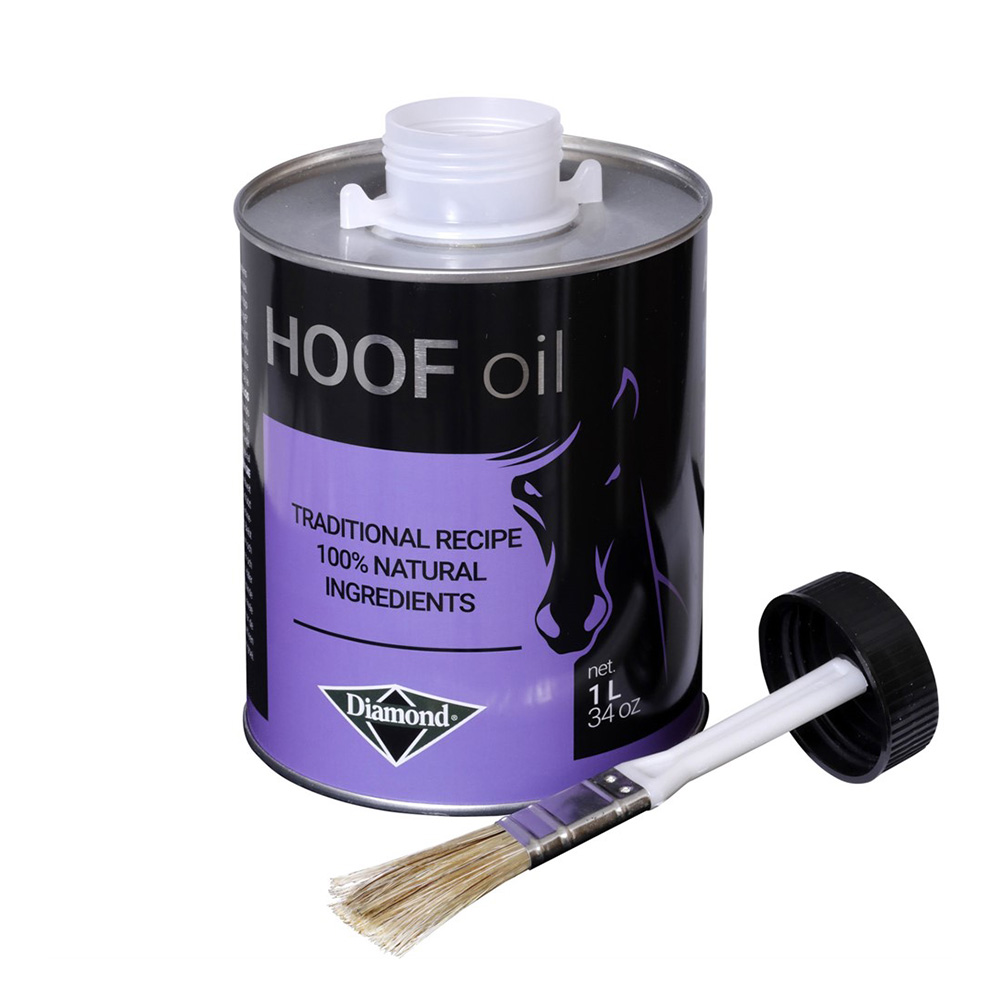
Hoof Oil
Conditioning oil for everyday hoof care.
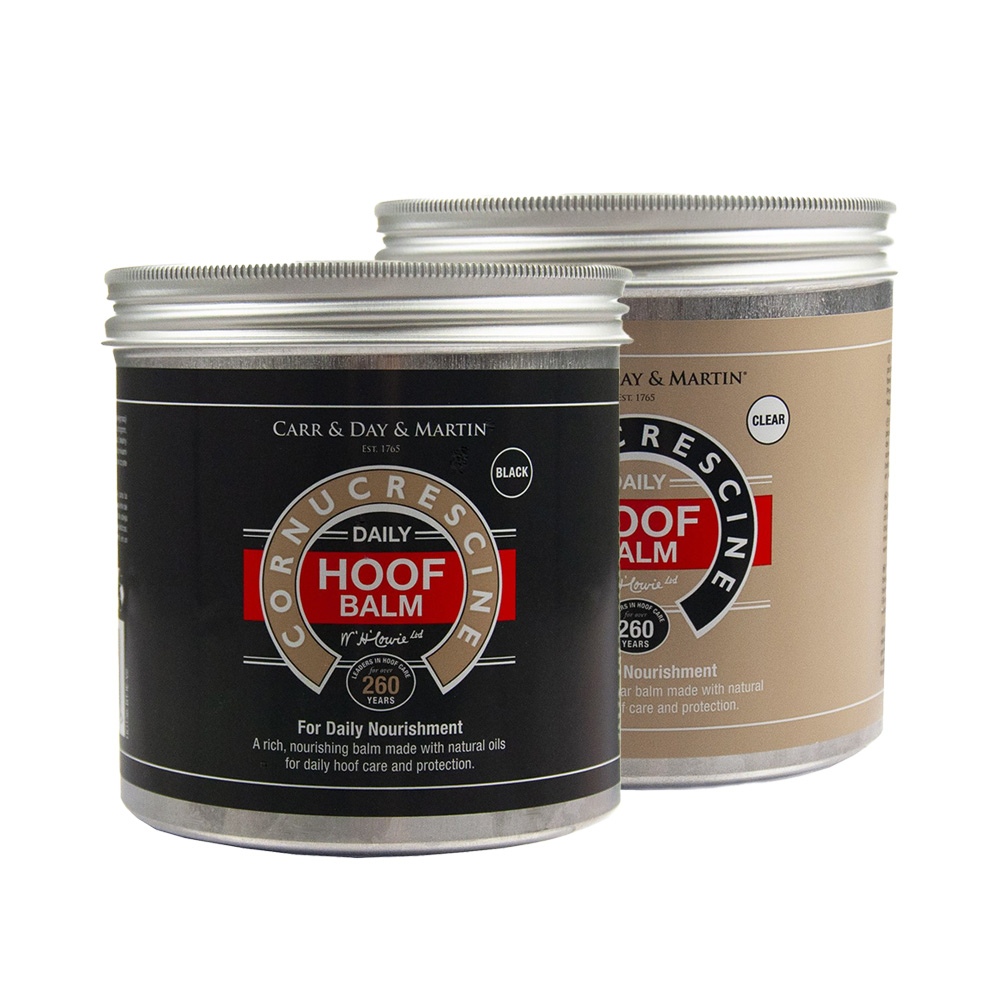
Hoof Balm
Daily care for dry and cracked hooves.
Introducing spring grazing
The move from winter forage to fresh pasture is one of the biggest changes in spring. New grass can contain substantial amounts of energy and sugar, so it is important to manage the transition carefully.
A sudden change can increase the risk of digestive upset, unwanted weight gain and, in susceptible horses, laminitis. Introduce grazing gradually and continue to monitor your horse’s body condition and overall diet.
The nutrient content of grass varies through the season. Minerals, nutritional supplements or supplementary feed may be needed, depending on the forage and your horse’s requirements.
Protection against flies and other insects
Warmer weather brings flies, horseflies and other insects that can bother horses in the paddock and during exercise. Sensitive horses may develop skin irritation or become unsettled.
- Use suitable fly rugs, fly masks and fly repellent.
- Keep stables and paddocks clean to help reduce insect numbers.
- Where practical, choose turnout times when insects are less active.
Adjust the protection to suit your horse and the conditions.
Paddock safety
Winter weather, frost and wet ground can damage paddocks and fencing. Check the whole area before the grazing season.
- Inspect fencing, wires and posts.
- Look for holes and uneven ground.
- Check that the water supply is clean and working properly.
A fencing tool can be useful when adjusting or repairing fencing after winter. As plants start growing, also check for poisonous species in the paddock.
Products for spring and summer care
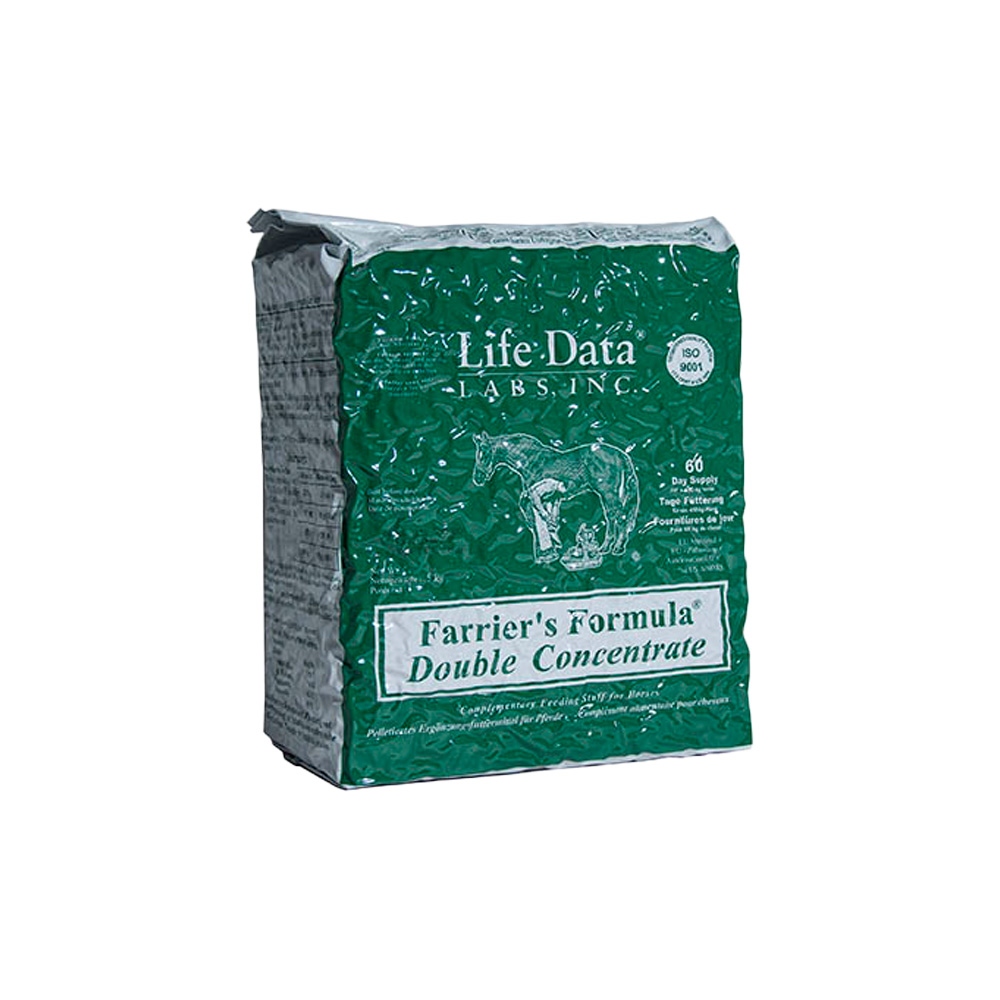
Nutritional Supplements
Vitamins, minerals and supplements to complement your horse’s diet where needed.
Browse supplements →
Fly Repellent
Protection against flies and insects during the warmer months.
View fly spray →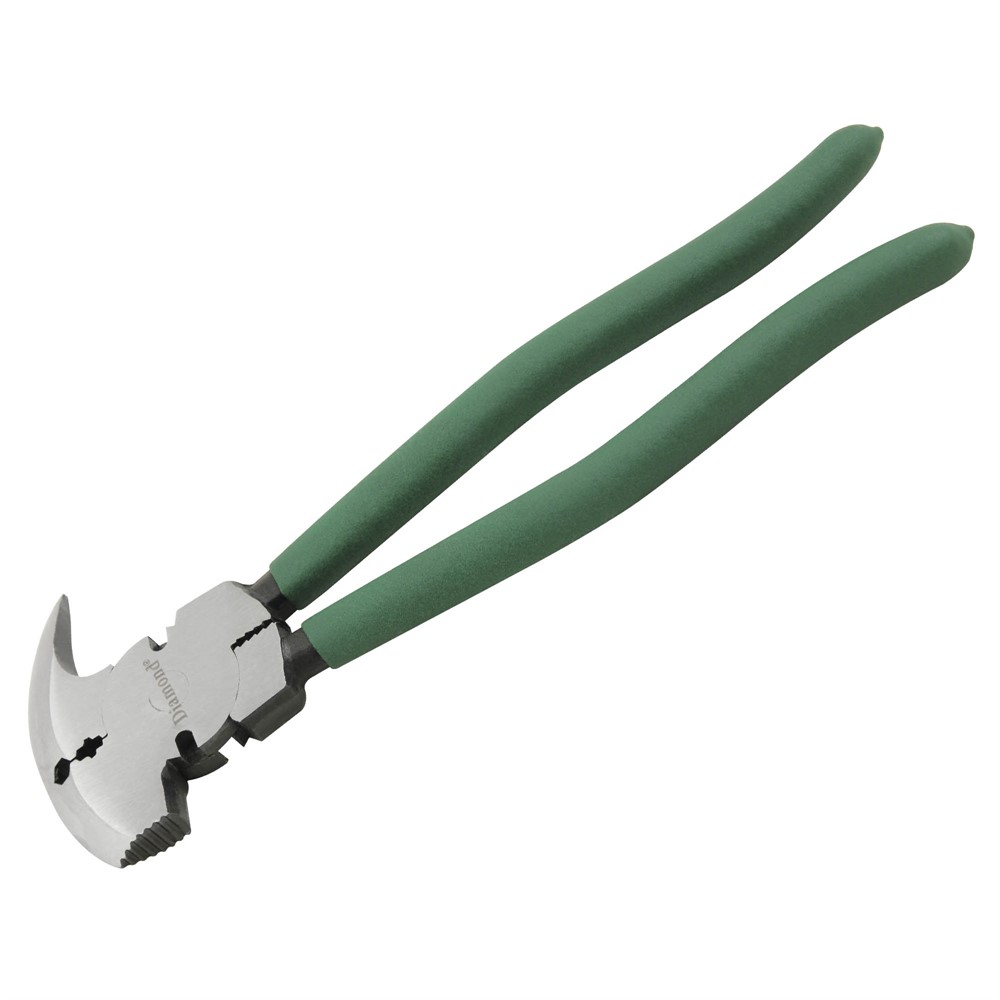
Fencing Tool
A tool for fencing repairs and maintenance after winter.
View fencing tool →Spring preparation checklist
- Check hoof condition and review shoeing needs.
- Adapt the hoof-care routine to the conditions.
- Introduce grazing gradually.
- Monitor body condition and adjust the diet.
- Provide suitable insect protection.
- Inspect paddocks and fencing.
Looking ahead
Reviewing your horse’s feet, feeding, insect protection and turnout before the season changes helps you spot potential problems early.
For more information, visit our hoof care guide.