What is hoof care and why does it matter?
This guide covers hoof care, common hoof problems and how to care for your horse’s hooves.
Hoof care is an important part of a horse’s health, affecting everything from movement to everyday wellbeing. Many horse owners find it difficult to know what is right or wrong and rely heavily on their farrier. At the same time, a basic understanding of how the hoof works and the different problems that can arise is valuable.
Understanding the basics of hoof care also makes it easier to spot changes early. Small signs such as cracks, uneven wear or changes in hoof shape can be early indications that something is wrong. The sooner these changes are noticed, the better the chance of addressing them effectively.
Common hoof problems in horses
Horses can develop a range of hoof problems with different causes and levels of severity. Some develop quickly and are easy to see, while others emerge gradually. It can be difficult for horse owners to know what is normal and what needs attention, which makes a good understanding of the subject particularly useful.
Hoof cracks
Hoof cracks are among the most common problems and can develop for several reasons, including loading, external damage or changes in hoof quality. Some cracks are superficial and have little effect on the horse, while others can become deeper and need closer attention. The cause may sometimes lie further back in time, such as an impact or injury to the hoof, with a crack developing or becoming visible only later. Owners may find it difficult to assess the extent of the problem, so cracks are often monitored and managed in consultation with a farrier.
What causes hoof cracks?
Hoof cracks can have several causes and are often the result of a combination of factors. Loading plays a significant role, especially when uneven pressure is applied to the hoof over time. External impacts or blows to the hoof can also contribute to cracks, sometimes long after the original incident.
The environment is another important factor. Alternating between dry and wet ground can affect the hoof’s structure and make it more vulnerable. Hoof quality, growth and care also influence resistance to cracking. In practice, several of these factors often interact over time.
Different products may be used to manage hoof cracks, depending on the situation and severity. These can include materials to reinforce the hoof, fill cracks or stabilise an area for a period of time. The method and product are usually chosen according to the hoof’s condition and in consultation with a farrier.
Below are examples of products commonly used for hoof repair and hoof cracks.
You can also browse our full range of hoof repair and hoof care products here.
Products for hoof repair and hoof cracks
-

EasyCare HoofLox Super Glue
Fast-setting super glue for positioning glue-on shoes and for minor hoof crack repairs and stabilisation.
6000040
188,00 SEK / pc.- Stock status
- In stock
-
Shubond Beige Adhesive
Acrylic adhesive for bonding horseshoes and repairing hooves.
6800032
312,00 SEK / pc.- Stock status
- 11 pc. in stock
-
Hoofcast Synthetic Casting Bandage
Easy-to-use elastic casting bandage developed for horses. Water-resistant. Suitable for laminitis, hoof wall damage and cracks. An alternative to a pour-in pad.
5588600
244,00 SEK / pc.- Stock status
- In stock
-
Keratex Hoof Putty
Adhesive hoof putty for sealing cleaned cavities and cracks, helping keep out grit and dirt.
5598030
228,00 SEK / pc.- Stock status
- Temporarily out of stock
-
Farrier’s Formula Double Concentrate Refill
Complementary feed with nutrients that support hoof horn, coat quality and connective tissue. 5 kg refill.
5588051
1 096,00 SEK / pc.Volume discount- Stock status
- In stock

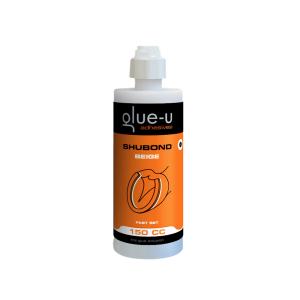


These products are often used for hoof repair and hoof cracks to reinforce, stabilise or protect the hoof, depending on the needs and circumstances.
Hoof wear and damage
All horses experience some degree of hoof wear and damage, depending on the ground, their activity and the loads placed on their hooves. Hooves regularly exposed to hard or uneven ground may wear more quickly, while injuries can occur suddenly through overreaching, impacts or other external stresses. Much of this is part of a horse’s everyday life, but it is still important to watch for changes.
Wear can cause the hoof to become uneven or change shape over time. It can be difficult for owners to distinguish normal wear from changes that need attention, making a basic understanding especially valuable.
What causes hoof wear and damage?
Several factors affect hoof wear and the risk of damage. The ground a horse moves over is particularly important: hard, stony or uneven surfaces increase the demands on the hoof and can accelerate wear. The horse’s activity, such as training or competition, also affects the stresses placed on the hoof.
Hoof shape, balance and care are also important. Uneven loading can cause some areas of the hoof to wear more than others, potentially leading to changes or damage over time. As with other hoof problems, several factors often interact.
You can also explore more hoof repair and hoof care products in our category here.
Products for hoof wear and damage
-
Vettec Equi-Pak Soft 210 ml
Extra-soft, shock-absorbing hoof packing. Remains soft in cold weather. Fast-setting pour-in pad material.
5446118
368,00 SEK / pc.Volume discount- Stock status
- In stock
-
Sole Pack Hoof Packing
Antiseptic hoof packing paste for dry, hard and sore hooves. Helps control bacterial and fungal hoof problems. Available in three sizes.
5583825
48,00 SEK / pc.- Stock status
- In stock
-
Keratex Hoof Putty
Adhesive hoof putty for sealing cleaned cavities and cracks, helping keep out grit and dirt.
5598030
228,00 SEK / pc.- Stock status
- Temporarily out of stock
-
Keratex Thermal Hoof Clay Kit 400 g
Self-heating hoof clay activated with cold water. Use warm or allow it to cool before application.
5588044
396,00 SEK / pc.New!- Stock status
- In stock
-
Hoof Armor Starter Kit
Hoof Armor starter kit with dispenser, protective coating, mixing tips and gloves. Helps protect the hoof against wear.
6900001
976,00 SEK / Frp- Stock status
- In stock
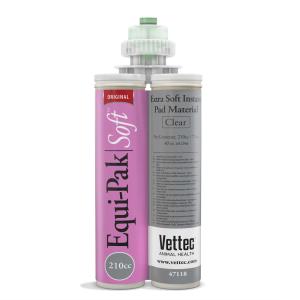


These products are often used to protect, relieve pressure on and support the hoof where there is wear or external damage, depending on the circumstances.
Hoof infections and bacteria
Hoof infections and bacterial problems are relatively common and can develop when the hoof’s natural protection is compromised. Hooves are exposed daily to moisture, dirt and different types of ground, making them more vulnerable when their balance is disturbed. Damp conditions combined with organic matter, such as mud or manure, can encourage bacterial growth, particularly in cracks, cavities or around the frog.
Early signs can be difficult for owners to spot because problems often develop gradually. Understanding how these situations arise can help you respond sooner and make appropriate decisions together with your farrier.
Hoof infections can show in different ways, depending on their location and how far they have progressed. Signs may include changes in smell, moisture or hoof structure, as well as increased sensitivity when weight is placed on the hoof or during handling. Some changes are obvious, while others are subtle and develop over time.
Regular hoof checks and attention to changes in appearance and sensitivity can make a significant difference. Small changes may be early signs of a problem, even when they are not immediately obvious.
What causes hoof infections and bacterial problems?
Hoof infections often develop when the surrounding environment provides favourable conditions for bacteria. Moisture is one of the most common factors, especially when combined with dirt, mud or organic matter that can collect in different parts of the hoof. Prolonged exposure to these conditions can weaken the hoof’s natural protection and make it easier for bacteria to take hold.
Hoof shape, structure and condition are also important. Cracks, cavities or uneven areas can trap dirt and moisture, increasing the risk of bacterial growth. External damage or previous injuries can also make the hoof more vulnerable.
As with many hoof problems, there is rarely a single cause. In practice, several factors often interact over time to create conditions in which infections can develop.
You can also explore hoof care and cleaning products in our category here.
Products for hoof infections and bacterial problems
-
Hoof Clay – Antimicrobial Hoof Packing
Antimicrobial hoof clay for hoof wall defects, old nail holes and wall separations. Helps protect affected areas from bacteria and fungi.
5588053
224,00 SEK / pc.- Stock status
- In stock
-
Keratex Frog Power Cleanser 50 ml
Keratex Frog Power Cleanser for cleaning and caring for the frog in wet conditions. 50 ml.
5588028
176,00 SEK / pc.- Stock status
- In stock
-
Diamond Frog Dressing
Helps control bacteria and fungi while protecting healthy hoof tissue.
5588160
212,00 SEK / pc.- Stock status
- In stock
-
Keratex Medicated Hoof & Leg Scrub 300 ml
Spray-on cleanser for wet or muddy hooves and lower legs. Can be left on without rinsing. 300 ml.
5588026
148,00 SEK / pc.- Stock status
- In stock
-
Virkon S 50 g
Broad-spectrum disinfectant for animal housing and equipment. 50 g powder makes 5 litres of a 1% solution.
5588900
124,00 SEK / pc.- Stock status
- In stock


These products are often used to clean and protect the hoof and improve conditions where bacteria or damp environments are causing problems.
The hoof’s environment and external influences
The hoof’s environment has a major influence on its condition and resistance to problems. Ground conditions, weather and the stable environment affect the hoof every day and can gradually contribute to wear, cracks and infections. Large variations, such as alternating dry and wet conditions, can make the hoof more vulnerable and alter its structure.
In practice, much depends on how the hoof adapts to its surroundings. Muddy paddocks, hard gravel tracks and damp stables affect the hoof in different ways, and an approach that works in one environment may be less suitable in another. Understanding how external factors affect hoof balance and what to watch for can therefore be valuable for owners.
How does the environment affect hoof quality and durability?
The hoof’s environment affects both strength and flexibility. Prolonged moisture can soften the hoof and make it more susceptible to bacteria, while very dry conditions can make it brittle and more prone to cracking. Even small environmental changes can affect hoof quality and its response to loading over time. As with other hoof problems, several factors need to be considered together, including the environment, care and activity. Understanding these connections makes it easier to recognise why problems occur and how they may be prevented.
Changes in the hoof’s environment are often gradual and may not be immediately noticeable. These can include seasonal changes, different ground conditions or changes in how much time the horse spends in wet or dry environments. Over time, these factors can affect hoof structure, wear resistance and resilience to both external damage and bacteria.
A basic understanding of these environmental influences makes it easier to spot patterns and changes. For example, some problems may recur at particular times of year or in certain environments. Recognising these patterns helps you adapt hoof care and discuss your horse’s needs more effectively with your farrier.
You can also explore more hoof care products to protect the hoof and help manage its environment in our category here.
Products for hoof protection and environmental care
-
Hoof Clay – Antimicrobial Hoof Packing
Antimicrobial hoof clay for hoof wall defects, old nail holes and wall separations. Helps protect affected areas from bacteria and fungi.
5588053
224,00 SEK / pc.- Stock status
- In stock
-
Farrier’s Formula Double Concentrate Refill
Complementary feed with nutrients that support hoof horn, coat quality and connective tissue. 5 kg refill.
5588051
1 096,00 SEK / pc.Volume discount- Stock status
- In stock
-
Cornucrescine Daily Hoof Barrier 500 ml
Cornucrescine Daily Hoof Barrier helps protect against excess water and urine while allowing the hoof to breathe. For daily use in wet conditions. 500 ml.
5584207
192,00 SEK / pc.- Stock status
- In stock
-
Keratex Hoof Gel 500 ml
For hooves exposed to wet weather. Keratex Hoof Gel forms a breathable, waterproof protective layer.
5588036
228,00 SEK / pc.- Stock status
- In stock
-
Keratex Hoof Moisturiser 500 ml
Hoof moisturiser for dry, dehydrated or brittle hooves.
5588034
196,00 SEK / pc.- Stock status
- Temporarily out of stock


These products are often used to protect the hoof, help manage its environment and support the conditions needed for lasting hoof health.
Summary: understanding hoof care
Hoof care starts with understanding how different factors affect the hoof over time. Wear, cracks, infections and the external environment are often closely connected, and a problem rarely has just one cause. Looking at the whole picture makes it easier to notice changes early and understand what may be behind them.
Understanding hoof function and the influence of the environment can make a real difference to everyday horse care. This knowledge helps owners follow their farrier’s work and have a more informed discussion about their horse’s needs.
Whether the aim is to prevent problems or manage changes that have already occurred, different products can provide support in different situations.
Combining knowledge with appropriate products makes it easier to support lasting hoof health.
You can explore our full range of hoof care and hoof repair products in our category here, where you can compare different types of products according to your horse’s needs and circumstances.
Different tools are used to shape and balance the hoof during trimming, with the hoof rasp playing a central role. To learn more about choosing and using a rasp, read our guide to hoof rasps: choosing and caring for your rasp.
Related articles
Frequently asked questions about hoof care
For more questions and answers about hoof care, visit our full FAQ here: