
Laminitis in Horses: Signs, Causes and Treatment
Laminitis is a painful hoof condition that needs urgent veterinary attention. Learn the warning signs, common causes and how hoof care and management can help.
What is laminitis?
Laminitis is a painful condition affecting the laminae, the tissues that attach the pedal bone to the hoof wall. Damage to this attachment can allow the pedal bone to rotate or sink within the hoof capsule. Severe cases can cause permanent damage.
Early signs may be subtle, so recognising changes and seeking veterinary help promptly is important.
Some signs overlap with other hoof problems, such as a hoof abscess. These are different conditions and require appropriate assessment.
Laminitis or a hoof abscess?
Both can cause severe pain and lameness, but they often affect horses differently.
- Laminitis: commonly affects more than one foot, especially the front feet. The horse may stretch its forelegs forwards to relieve pressure.
- Hoof abscess: often causes sudden, marked lameness in a single foot.
- Laminitis: may cause a stiff, cautious gait and difficulty turning.
- Hoof abscess: pressure inside the hoof can be very painful, but discomfort often eases after drainage.
These differences are not enough to diagnose the problem yourself. Contact your vet immediately if laminitis is suspected.
To learn more about how the hoof works and its everyday care:
How serious is laminitis?
Laminitis ranges from comparatively mild signs to severe damage within the hoof. Some horses recover with appropriate treatment and management; others develop lasting changes to the position of the pedal bone and the structure of the foot.
The outcome depends on the cause, severity and response to treatment. Prompt veterinary assessment gives the horse the best opportunity for appropriate care.
Warning signs to look for
- Stiffness or reluctance to move
- A stance that shifts weight away from the front feet
- Hooves that feel warmer than usual
- Stronger digital pulses
- Difficulty turning, particularly on firm ground
Hoof warmth and pulse strength should be considered alongside the other signs and what is normal for the horse. Your vet or farrier can show you how to find the digital pulse.
Common causes and risk factors
Laminitis has several possible causes. Important risk factors include:
- Insulin dysregulation and endocrine conditions such as equine metabolic syndrome (EMS) or PPID
- Excess body weight
- High sugar or starch intake, including pasture in susceptible horses
- Sudden dietary changes or grain overload
- Excessive loading of one leg when another is injured
Your vet can investigate the underlying cause and help you plan appropriate management.
What should you do immediately?
Suspected laminitis is a veterinary emergency. Contact your vet immediately.
- Stop access to pasture and ask your vet about suitable feeding.
- Keep the horse on soft, supportive bedding where possible.
- Keep movement to a minimum and do not force the horse to walk.
- Follow your vet’s instructions while waiting for assessment.
Ask for advice before moving a horse that is very painful. Do not ride or exercise the horse to see whether it improves.
Hoof care and support
Appropriate support can help reduce strain on affected structures. Your vet and farrier should work together to select support and plan any trimming or shoeing.
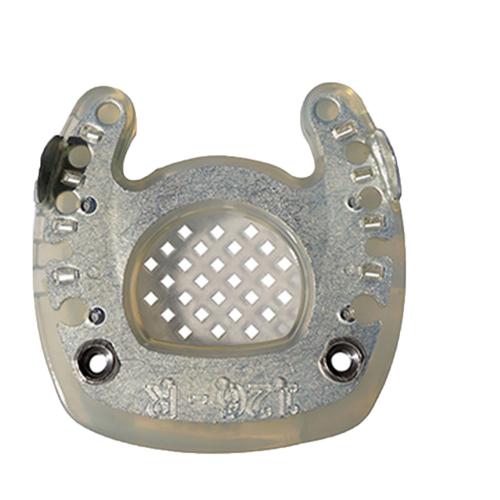
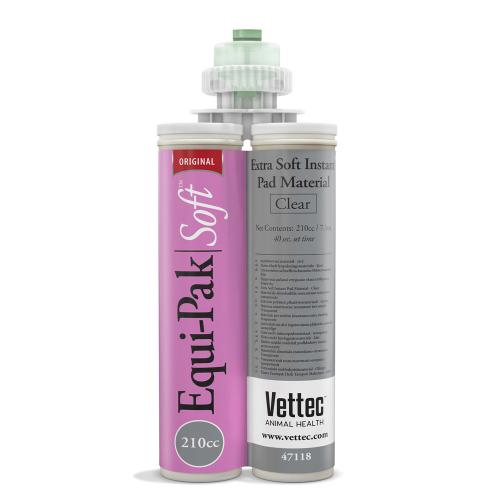
Depending on the individual case, this may involve specialist shoes, hoof pads, or suitable boots and cushioning. These products support professional treatment; the right choice depends on the condition of the feet.
Can the risk be reduced?
Management should reflect your horse’s individual risk:
- Control feeding and monitor body condition.
- Avoid excess weight.
- Manage grazing carefully and introduce dietary changes gradually.
- Keep up regular hoof care.
- Provide appropriate exercise when the horse is sound and your vet considers it suitable.
Horses with endocrine disease or a previous episode of laminitis may need a specific long-term management plan.
Recognise changes early
Laminitis needs prompt attention. Knowing your horse’s normal movement and hoof condition helps you notice changes, while appropriate feeding, weight management and regular hoof care can reduce risk.
Frequently asked questions about laminitis
How can you tell if a horse has laminitis?
Signs can include a stiff or reluctant gait, difficulty turning, shifting weight away from the front feet, warm hooves and stronger digital pulses. Signs vary, and a veterinary examination is needed to establish the diagnosis.
Can laminitis go away on its own?
Do not wait to see if it resolves. Even mild signs need urgent veterinary assessment because damage inside the hoof may progress.
How quickly does laminitis develop?
It can develop suddenly or more gradually, depending on the cause. Contact your vet as soon as you suspect it.
Can you ride a horse with laminitis?
Do not ride or force exercise during active laminitis. Your vet and farrier should advise when, and how, exercise can safely resume.